Why hands give away your age
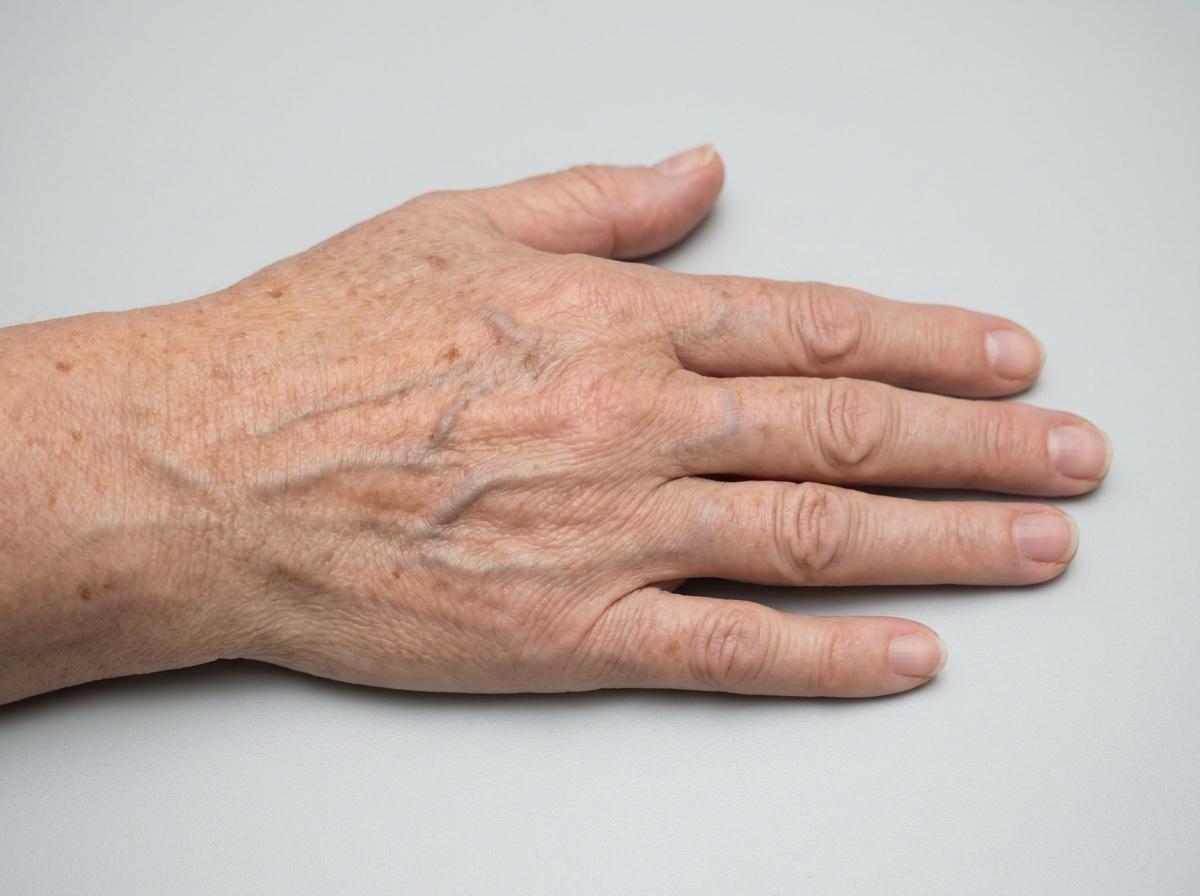
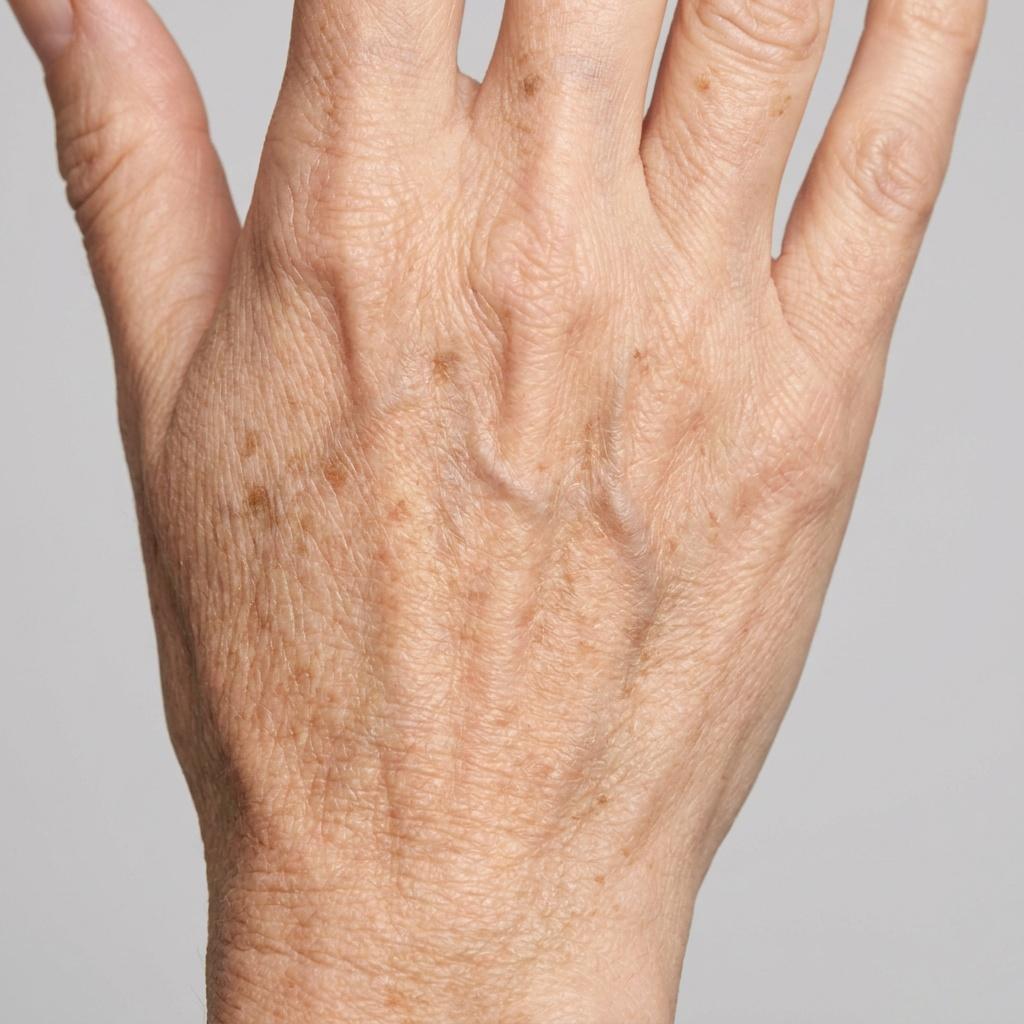
Hands are exposed to sun and water almost all year, and they rarely wear sunscreen. Harvard Health says age spots most often appear on the hands, although they can show up on any sun-exposed area.
They are patches of darkened pigment, harmless, that do not itch or hurt.
What accentuates it
The sun is the main cause of spots. Cleveland Clinic adds that ultraviolet radiation breaks down collagen and that, with age, the dermis thins and the collagen and elastin network loosens. On the back of the hand that is easy to see.
Other factors that source lists include smoking and environmental pollution.
Daily habits that help
Harvard Health recommends limiting sun exposure, using sunscreen and avoiding the strongest sun between 10 a.m. and 3 p.m. That can stop existing spots from growing or darkening.
Apply sunscreen to the backs of your hands too, and reapply during the day if you wash them often. Cleveland Clinic also advises moisturising regularly.
As a practical habit, keep a tube of sunscreen next to the soap or in the car and bag, since the hands are the part most people forget. Light gloves can help when you drive for long or do outdoor chores in strong sun.
What light can do, and its limits
A review of low-level light therapy records that red and near-infrared light is absorbed by mitochondria in skin, and suggests this could switch on repair processes. On pigmentation it cites a single study in which red light reduced melanin.
The authors call the field controversial, with small studies, and there is no agreement on the best wavelength or dose. The sources cited contain no data on hands specifically.
In cosmetic terms, a light device may help improve the look of hand skin. It does not remove spots or restore lost thickness.
Using a device at home safely
Use the device on clean, dry skin and keep to the manufacturer time and frequency. More sessions do not speed things up; wrong parameters can damage tissue, according to the review cited.
Do not use it over wounds, irritated skin or spots that have changed. If you notice redness or discomfort that does not go away, stop using it.
When to see a dermatologist
Harvard Health advises seeing a doctor if you notice other changes in your skin, to rule out cancer or other conditions. A spot that changes in size, colour or shape, or that itches or bleeds, deserves a check.
If you want to lighten spots for cosmetic reasons, a dermatologist may prescribe medication or suggest another therapy.
Realistic expectations
According to Harvard Health, age spots are harmless and do not need treatment. Most fade over time, but probably will not disappear completely.
The best investment for your hands is daily sun protection and moisturiser. A device, if you use one, is an extra and not a substitute. Remember too that thin, crepey skin and prominent veins are normal parts of ageing, and no routine will change them completely.
Sources
- Harvard HealthAge Spots (Solar Lentigo, Liver Spots)
- PubMed Central (Seminars in Cutaneous Medicine and Surgery)Low-level laser (light) therapy (LLLT) in skin: stimulating, healing, restoring
- Cleveland ClinicWrinkles & Fine Lines: Types, Causes & Prevention
Informational content. It does not replace the advice of a healthcare professional. Images are illustrative, not customer results.