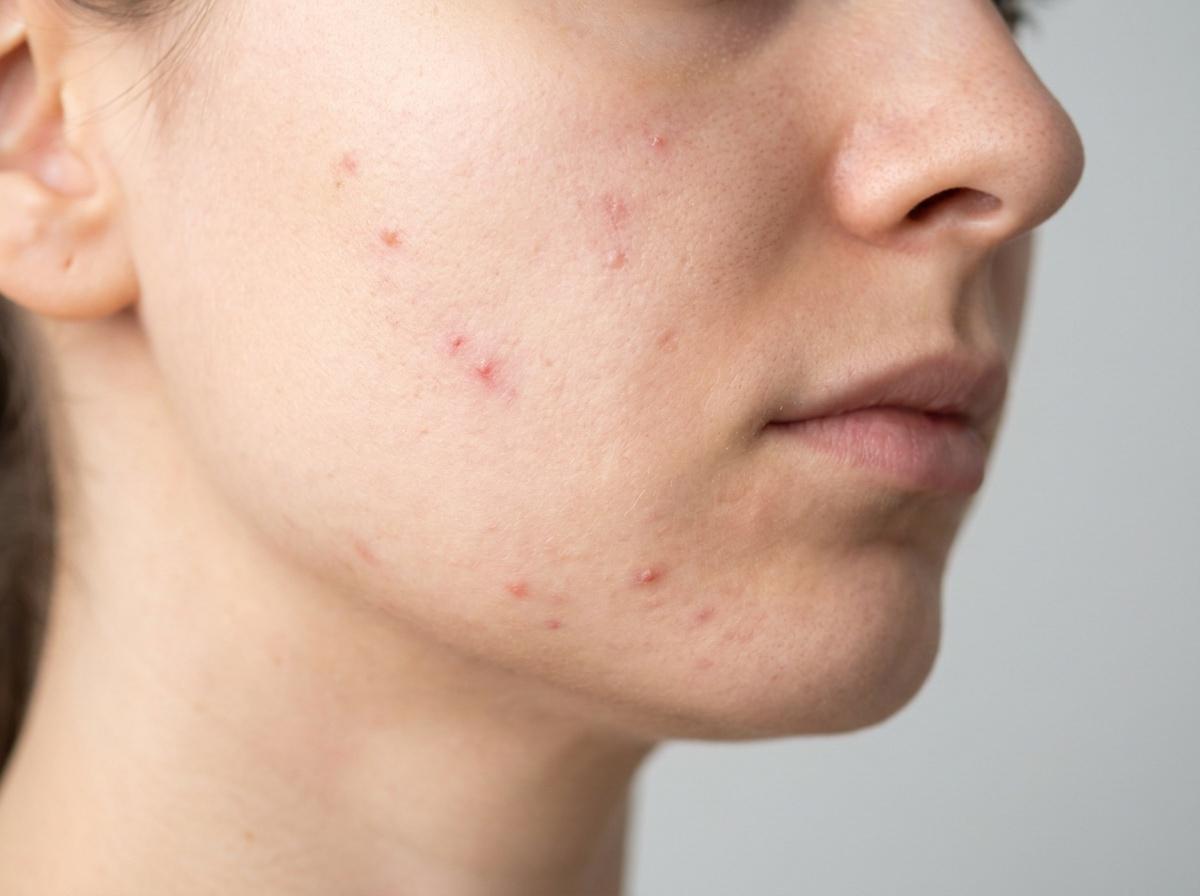
What pores are and why they become noticeable
Pores are the tiny openings in the skin where oil comes out. Everyone has them, and they cannot be closed. What differs from person to person is how visible they look.
According to the American Academy of Dermatology (AAD), clogged pores expand and look more noticeable. Excess oil and acne can clog them. Sun damage, ageing and sagging skin also make pores look larger.
What makes them look worse
The AAD points to several things that make pores more obvious:
- Pores blocked by oil, dead skin cells or make-up that is not fully removed.
- Irritated or inflamed skin.
- Scrubbing, picking or squeezing, which irritates skin and makes pores look bigger.
- Unprotected sun exposure, which damages skin over the years.

Daily habits that help
The AAD advises cleansing twice a day with warm water and a gentle, non-comedogenic cleanser, without scrubbing. It also suggests using only products labelled non-comedogenic, oil free or that will not clog pores.
Wear a broad-spectrum, water-resistant sunscreen of SPF 30 or higher every day, even when it is cloudy. Exfoliating may help, but it should be done carefully. Retinol products may also help at bedtime, but should be avoided during pregnancy and breastfeeding.
What technology can do, and its limits
The AAD says pores look larger when skin sags, so firmness matters. Radiofrequency warms the dermis as the tissue resists the current, and that heat is linked to collagen contracting and reorganising, according to a review of non-surgical skin tightening.
That same review warns that many radiofrequency devices have failed to live up to the hype, and its results come from clinical equipment, so there is no guarantee a home device will match them.
Red and near-infrared light is absorbed by mitochondria in skin cells, and the proposal is that this supports cell activity. The authors of a review on low-level light therapy admit the mechanism is not fully understood and the best dose has not been defined. These technologies may help improve the overall look of skin. They do not shrink pores.
Using a device at home safely
Cleanse and remove make-up before each session. Always follow the time and intensity the manufacturer gives, and do not repeat sessions to speed things up.
Avoid radiofrequency if you are pregnant, have a pacemaker or another implanted device, have open wounds, or have had a skin cancer. These are contraindications listed in the review above. If you notice irritation, redness that does not settle or pain, stop using it.
When to see a dermatologist
The AAD says that if acne persists despite salicylic acid, you may need a more complete treatment. If you are unsure that exfoliating suits you, or your skin is sagging, a dermatologist can assess it and suggest options.
Also check in if pores come with painful spots, scarring or any lesion that changes.
Realistic expectations
Pore size depends largely on things you cannot control, such as genetics and age. A realistic goal is pores that look less prominent when skin is clean, protected from the sun and handled gently.
A device is not a single fix. It can sit alongside a good routine, never replace it.
Sources
- American Academy of DermatologyWhat can treat large facial pores?
- Plastic and Aesthetic ResearchNon-surgical skin tightening
- PubMed Central (Seminars in Cutaneous Medicine and Surgery)Low-level laser (light) therapy (LLLT) in skin: stimulating, healing, restoring
Informational content. It does not replace the advice of a healthcare professional. Images are illustrative, not customer results.