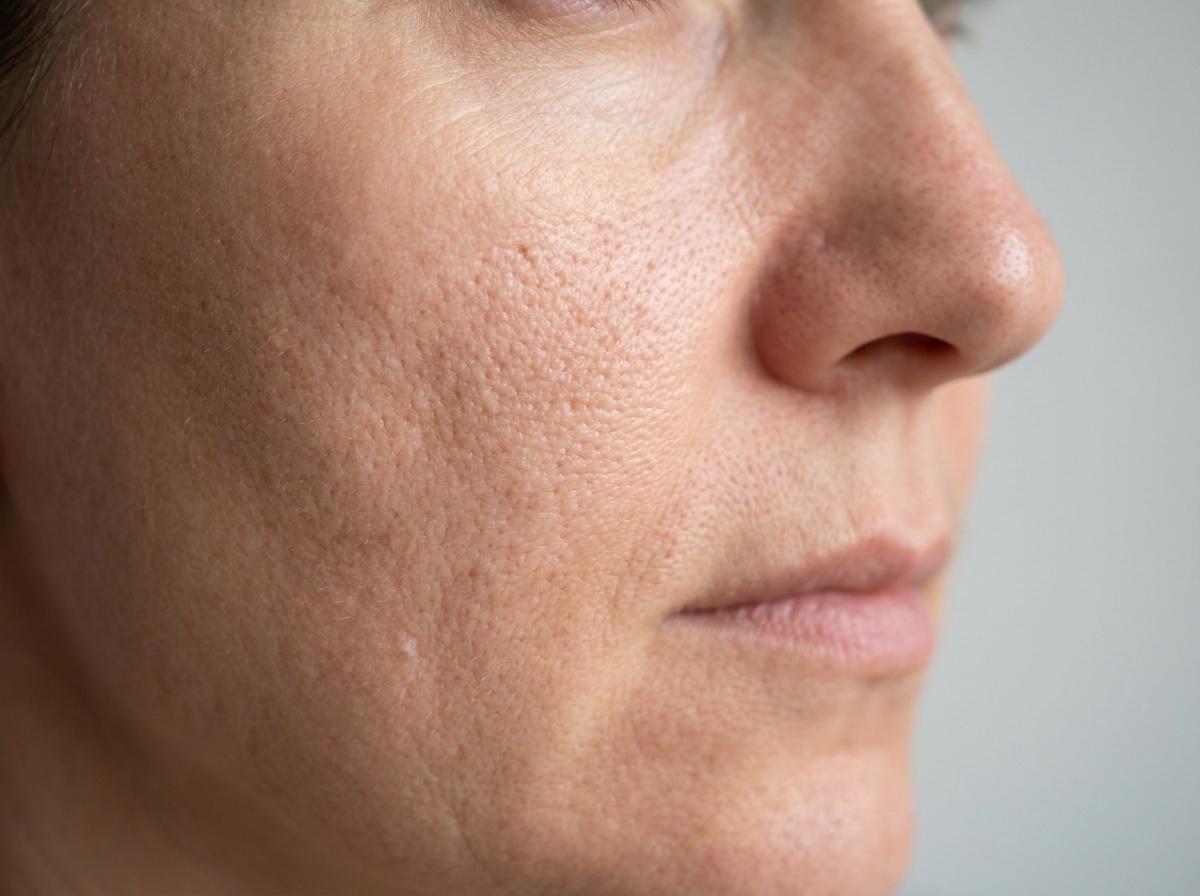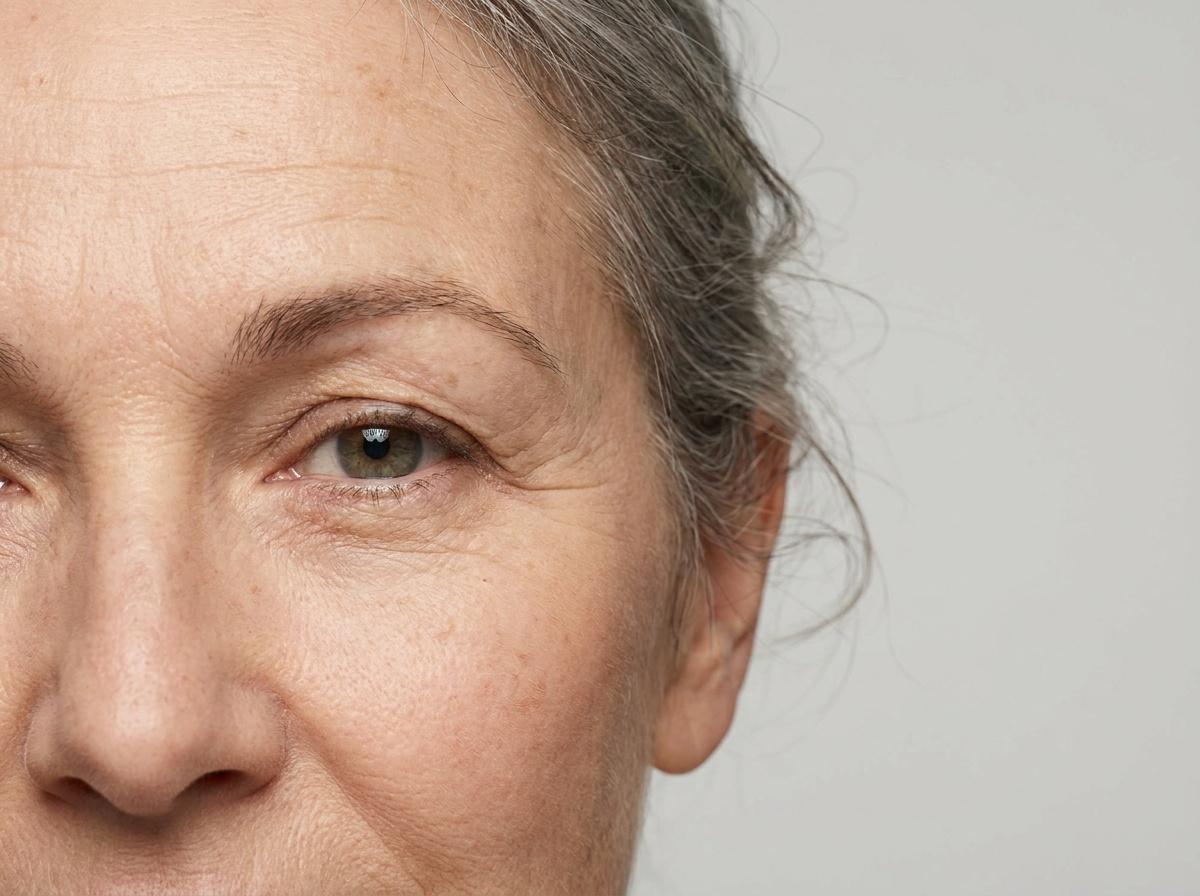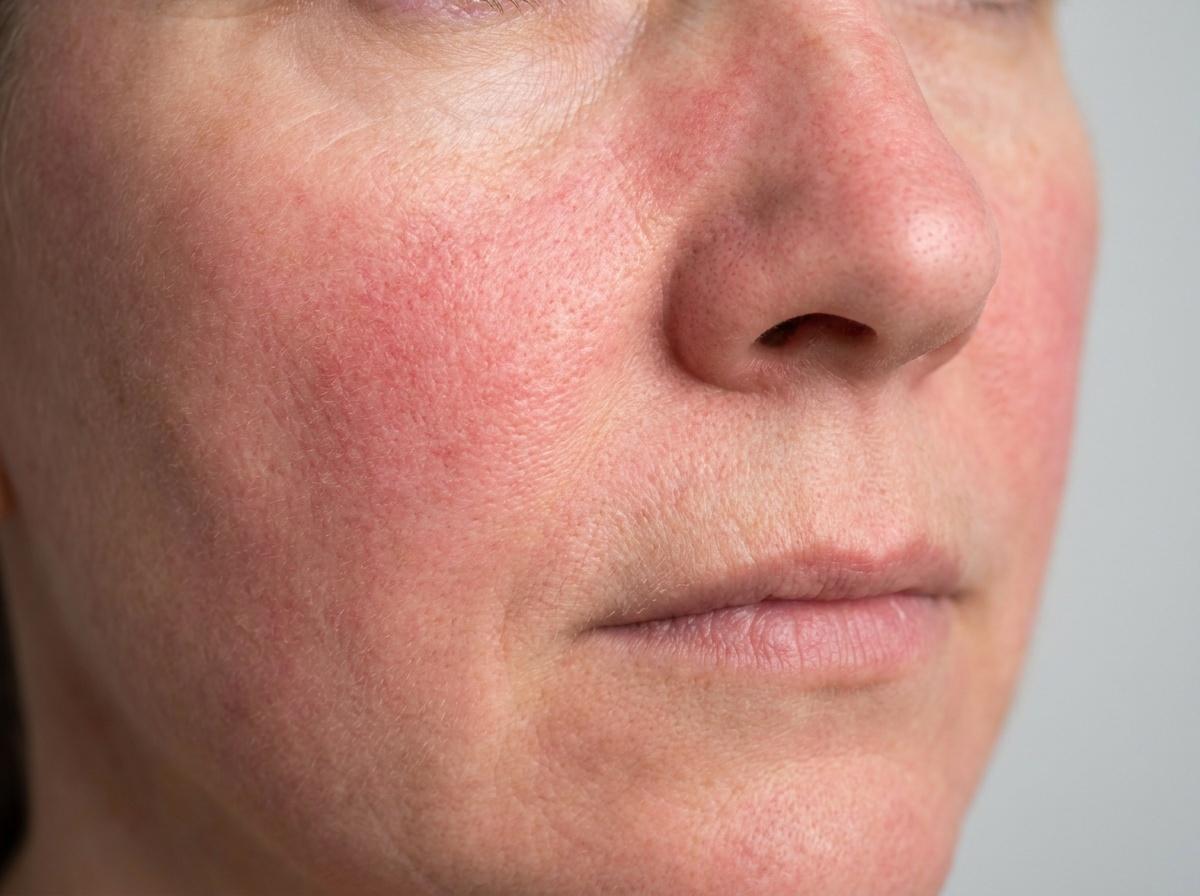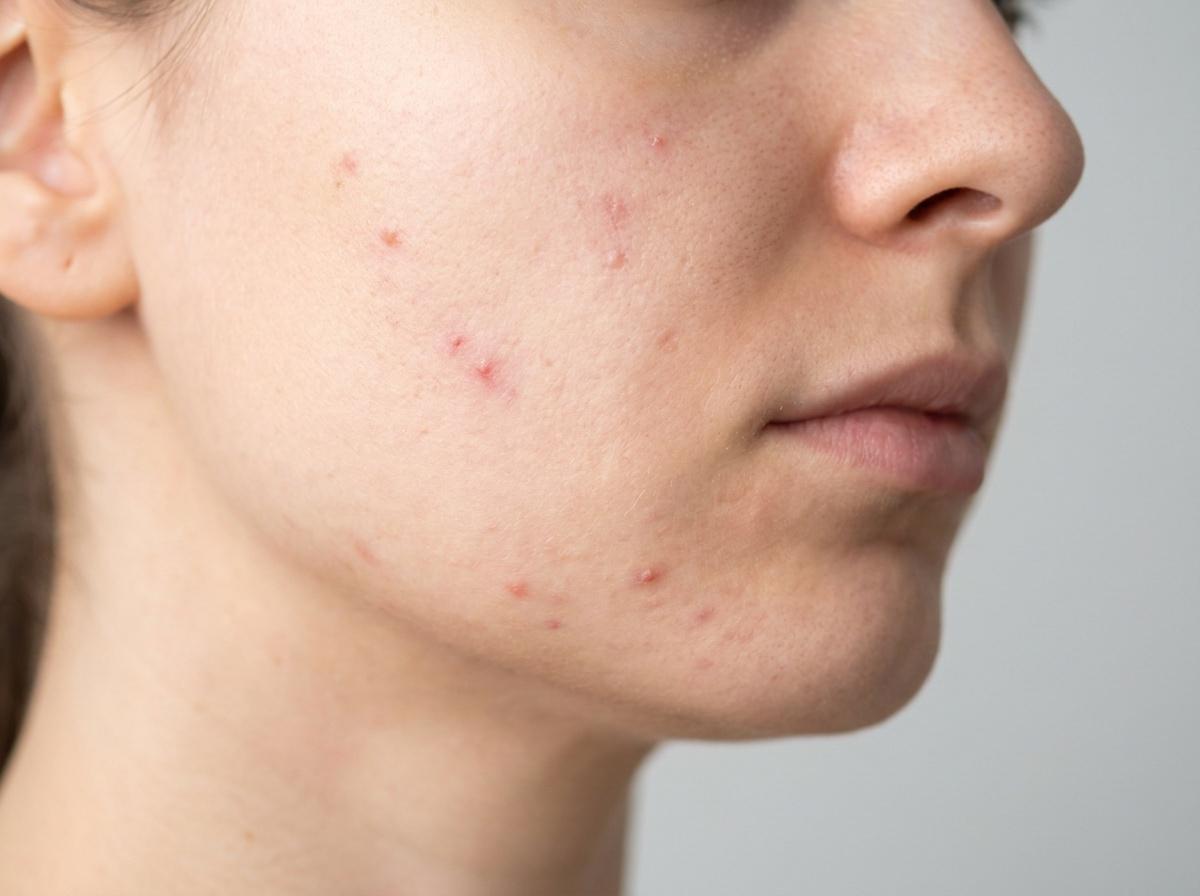
What is happening in blemish-prone skin
The NHS explains that acne develops when hair follicles become blocked with excess oil and dead skin cells, and bacteria in those blocked follicles cause inflammation.
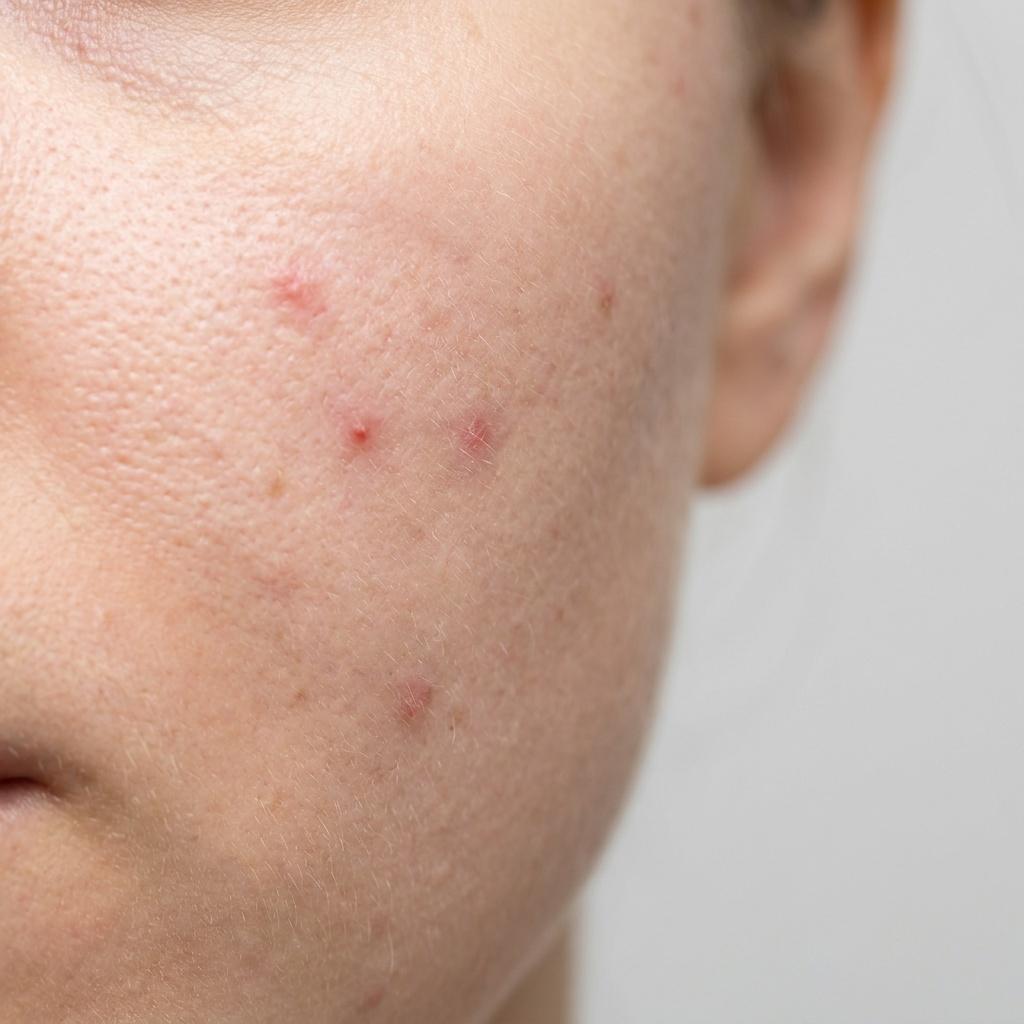
It usually affects the face, chest and back. It can come with oily skin, spots, painful lumps and marks.
What can make it worse
According to the NHS, several things play a part:
- Hormonal changes, such as those in puberty, periods, menopause and pregnancy.
- Conditions such as polycystic ovary syndrome.
- Certain medicines.
- Greasy skin or hair products.
- Picking or squeezing spots, which can cause scarring, and scrubbing, which irritates skin further.
Daily habits that help
The NHS recommends washing twice a day with a gentle cleanser and removing make-up before bed. Choose non-comedogenic products, which are less likely to clog pores.
Products with salicylic acid or benzoyl peroxide are available without a prescription, and a pharmacist can advise you. With body acne, loose breathable clothing helps, especially when you sweat. Avoid picking and scrubbing.
What light can do, and what it cannot
A systematic review and meta-analysis in JAMA Dermatology pooled six randomised trials with 216 people with mild to moderate acne. At-home red, blue and combination LED devices did better than control conditions, and the combined ones appeared to work best. No severe reactions were reported, only mild dryness, redness or discomfort.
The authors note the studies differ from each other and that more comparisons are needed to know which wavelength, dose and routine work best. A separate review of low-level light therapy says blue light is combined with red and may act on bacteria and inflammation, although the mechanism is not fully settled.
All of this refers to mild or moderate acne. In cosmetic terms, LED light may help improve the look of blemish-prone skin. It does not replace medical treatment.
Using a device at home safely
Use the mask or device on clean skin without make-up, and keep to the time and frequency the manufacturer gives. More time does not mean a better result: the light therapy review itself warns that wrong parameters can damage tissue.
If dryness, stinging or redness appear, cut back or stop. If you are on acne medication, check with your doctor first.
When to see a doctor or dermatologist
The NHS advises seeing a GP if self-care is not helping, if you have many spots or deep or painful ones, if they leave scars, if there are signs of infection such as hot, swollen, red skin, or if acne is affecting your mood.
Persistent acne needs assessment by a professional, who can prescribe stronger treatment or refer you to a dermatologist.
Realistic expectations
A home device does not cure acne and does not replace medication. At most it is a complementary tool within a steady, gentle routine.
The available evidence is limited and comes from few studies. Go slowly, watch how your skin responds and avoid comparing yourself with other people. If your skin is getting worse rather than better, that is a sign to book a consultation rather than to add more products or more sessions.
Sources
- NHSAcne
- JAMA DermatologyAt-Home LED Devices for the Treatment of Acne Vulgaris: A Systematic Review and Meta-Analysis
- PubMed Central (Seminars in Cutaneous Medicine and Surgery)Low-level laser (light) therapy (LLLT) in skin: stimulating, healing, restoring
Informational content. It does not replace the advice of a healthcare professional. Images are illustrative, not customer results.