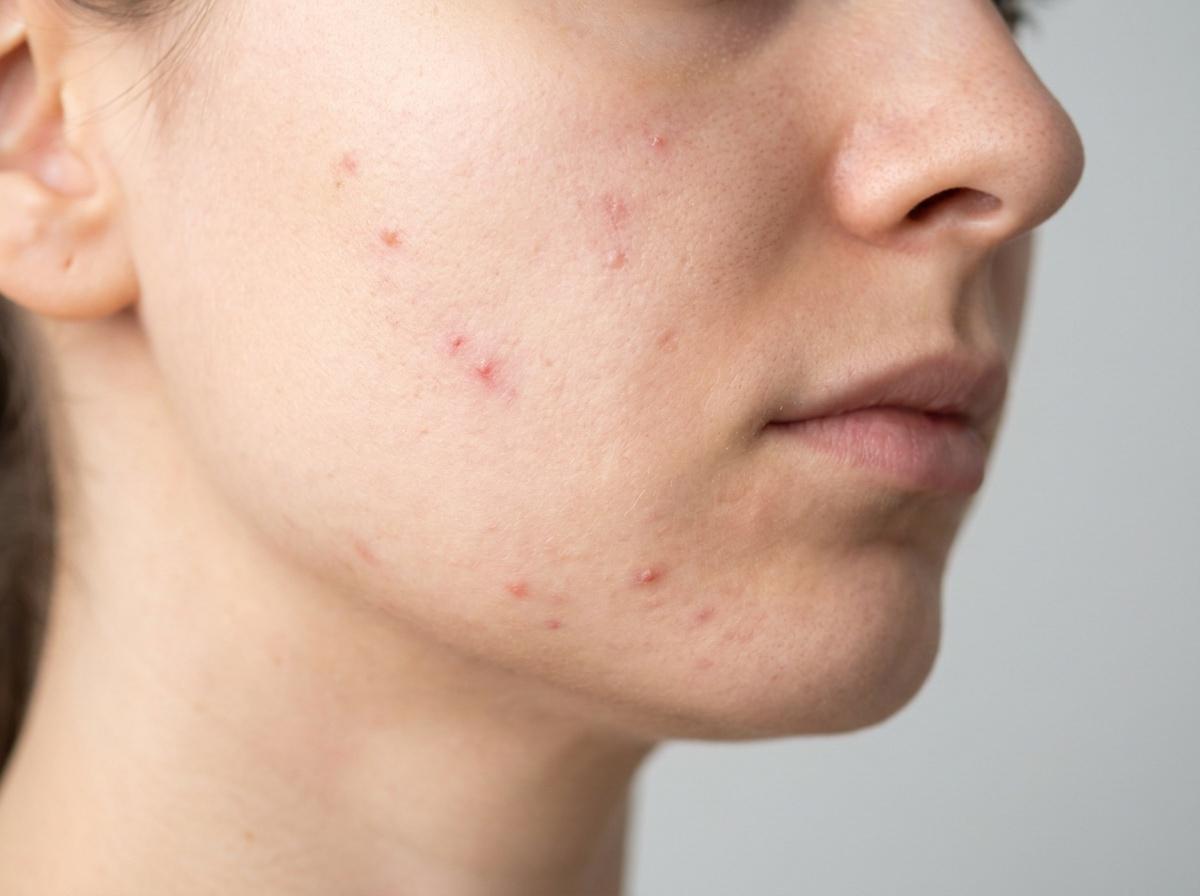
Why hair thins or falls out
Losing 50 to 100 hairs a day is normal, according to the NHS. When the loss goes beyond that, causes can be temporary or permanent.
Among temporary causes, the NHS lists illness, stress, cancer treatment, weight loss and iron deficiency. Hair often regrows once the cause is treated. Permanent causes include male and female pattern baldness, which usually runs in families.
Recognising female pattern hair loss
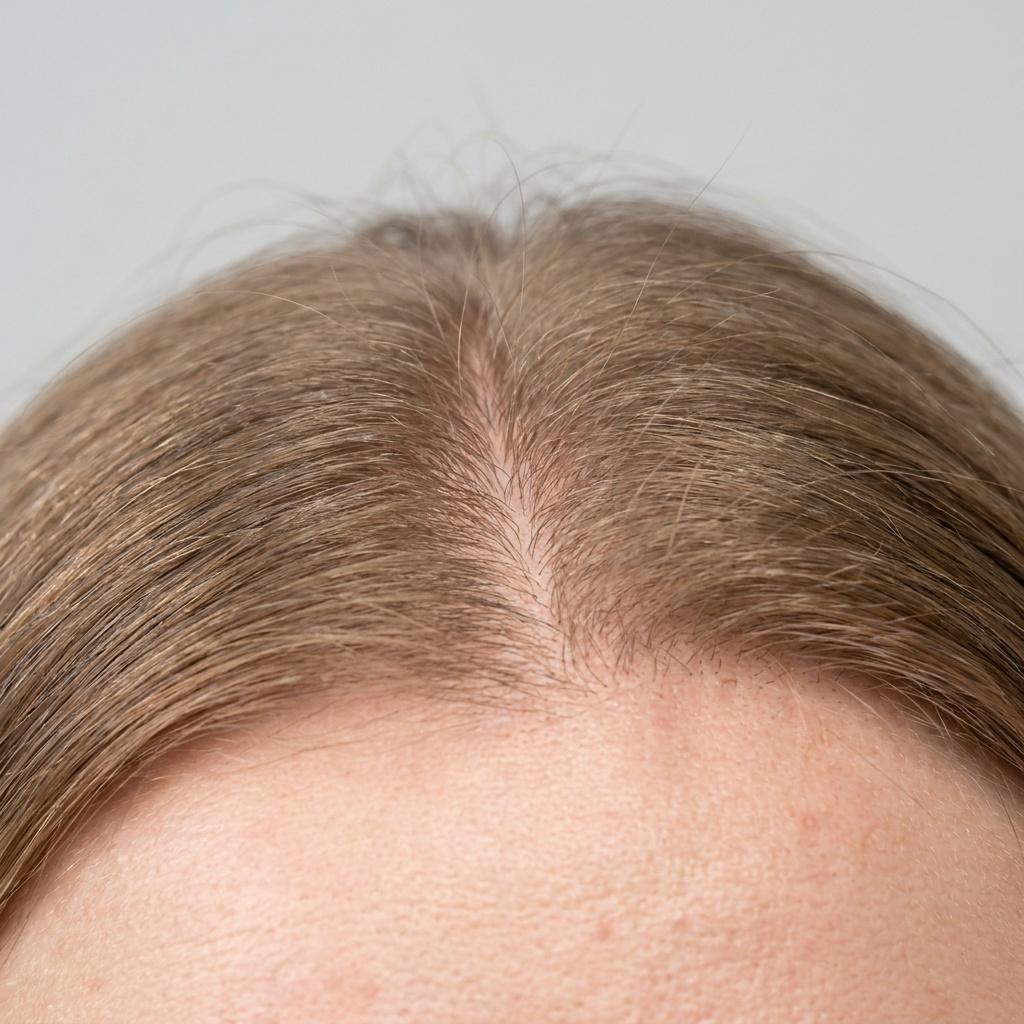
The American Academy of Dermatology (AAD) explains that an early sign is a widening part or a thinner-looking ponytail. Hair near the temples may recede. Women usually keep their hair rather than losing it entirely.
It is hereditary and can come from either parent, and hormones seem to play a role, since it is more common after menopause. It most often starts in the 40s, 50s or 60s, though it can begin earlier.
Daily habits that help
According to the AAD, hair-loss shampoos can make hair look fuller but cannot regrow it. Looking after the scalp, avoiding very tight hairstyles that pull on the hair, and eating enough iron and protein are sensible steps, though none replaces a diagnosis.
The NHS reminds us that most hair loss does not need treatment and that no treatment is fully effective.
What light can do, and its limits
A review in Lasers in Surgery and Medicine proposes that low-level light stimulates stem cells in the follicle and moves it into the growth phase. The proposed mechanism includes more energy production in mitochondria and increased blood flow.
In people with androgenetic alopecia, a trial of 110 men found a laser comb gave greater increases in terminal hair density than a sham device. A helmet study found gains in thickness and density, although blinded global photographs showed no prominent difference. The authors stress that several trials were small and that the best wavelength and dose are not known.
The AAD notes that FDA-approved at-home laser devices exist, and the NHS includes light treatment among the options. The sources cited cover light, not electrical stimulation of the scalp. In cosmetic terms, these devices may help improve the look of hair and scalp.
Using a device at home safely
Follow the manufacturer time and frequency, on a clean scalp. The review reports as the only adverse effect in people a temporary shedding during the first one to two months of laser comb use, which resolved with continued use.
The authors say that, in theory, light could stimulate existing abnormal scalp lesions, so have any lesion or spot checked before you begin.
When to see a doctor
The NHS advises seeing a GP if you are worried about hair loss, if it affects your wellbeing, or if you want to ask about treatments, and doing so before going to a commercial hair clinic. The AAD adds that other conditions can look like female pattern hair loss and need different treatment.
Sudden hair loss, bald patches, hair coming out in clumps or an itchy or burning scalp need medical assessment.
Realistic expectations
The AAD says treatment works best when started at the first sign, and that with minoxidil results usually take six to twelve months and need continued use. The NHS adds that none works for everyone.
A light comb or device is at most a complement. It does not replace a diagnosis or the treatments your doctor prescribes.
Sources
- NHSHair loss
- American Academy of DermatologyThinning hair and hair loss: Could it be female pattern hair loss?
- PubMed Central (Lasers in Surgery and Medicine)Low-Level Laser (Light) Therapy (LLLT) for Treatment of Hair Loss
Informational content. It does not replace the advice of a healthcare professional. Images are illustrative, not customer results.